
The best defense in boxing is not a block. It is not being there at all. Boxing head movement drills teach your body to make punches miss by inches — which is exactly why elite fighters look so relaxed while everything sails past them. At Witherspoon Boxing + Fitness, the boxing gym Bristol PA has trusted for two generations, head movement is drilled from a member’s very first month, not saved for advanced classes.
This guide covers the four core movements, the drills that build them, and the mistakes that get beginners caught. If you already have your stance sorted and want serious boxing training for beginners that goes beyond punching, this is your next step.
Why Head Movement Beats Blocking
Blocking works, but it comes at a cost. Every blocked punch still transfers force into your arms, drains your energy, and keeps you stationary. Head movement does something better — it makes the punch miss entirely and leaves your opponent off balance.
Consider what good head movement actually delivers:
- Zero impact absorbed. A miss costs you nothing.
- Instant counter opportunity. Your opponent is most exposed right after a missed punch.
- Angle creation. Slipping outside a jab puts you where they cannot reach.
- Energy drain on them. Nothing tires a fighter faster than punching air.
Furthermore, head movement protects your long-term health. Reducing the total number of head impacts you absorb matters enormously — research indexed on PubMed continues to examine cumulative head impact exposure in combat and contact sports. Defense is not just about winning rounds. It is about training for decades.
The 4 Core Head Movements
1. The Slip
A small rotation of the torso that moves your head just off the punch line. Slip outside a jab or inside a cross. The movement comes from your waist and knees, never from leaning your neck sideways.
2. The Roll (Bob and Weave)
Used against hooks. You bend at the knees, roll your head in a U-shaped path under the incoming punch, and come up on the other side. Your eyes stay on your opponent throughout.
3. The Pull
Shift your weight sharply onto your rear leg, taking your head backward out of range. Fast and efficient, but it leaves you flat-footed if overused.
4. The Duck
A straight-down level change using the legs. Useful against straight punches, though it should be brief — staying low invites uppercuts.
| Movement | Defends Against | Recovery Speed | Counter Available |
|---|---|---|---|
| Slip | Jab, cross | Very fast | Cross, body hook |
| Roll | Hooks | Moderate | Lead hook, uppercut |
| Pull | Straight punches | Fast | Straight counter |
| Duck | Straights, wide hooks | Slower | Body shots |
7 Boxing Head Movement Drills That Actually Work
Drill 1 — The Slip Rope
Tie a rope at shoulder height across the gym. Move up and down it, slipping under and around it while maintaining your boxing stance and guard. Three rounds. This is the single best solo drill for building the slipping habit.
Drill 2 — Mirror Slips
Shadow box in front of the mirror, throwing a punch then immediately slipping. Watch your feet. If they stop moving during the slip, you are leaning instead of rotating.
Drill 3 — The Figure Eight Roll
Trace a figure-eight pattern with your head, rolling low and rising on each side. Twenty repetitions, three sets. Your legs will complain, which means you are doing it correctly.
Drill 4 — Double End Bag Reaction
Hit the double end bag and let it swing back at you. Slip it rather than backing away. Nothing else replicates a live punch coming at your face like this.
Drill 5 — Wall Line Drill
Stand close to a wall with a strip of tape at head height. Move along it slipping side to side without touching the tape. This builds precision in small spaces.
Drill 6 — Partner Pad Slips
Your coach calls a combination, then swings the mitt at your head. You slip, then counter. This is where head movement becomes real, because the timing is unpredictable.
Drill 7 — Light Sparring With Defense Only
One partner throws at fifty percent power. The other only defends. Three rounds. Our supervised Sparring Lab runs exactly this format for members building confidence safely.
6 Mistakes That Get Beginners Caught
- Closing your eyes. The most instinctive error and the most dangerous. You cannot counter what you did not see.
- Leaning with the neck. Movement comes from your legs and waist, not your head alone.
- Slipping too far. An inch is enough. Six inches puts you off balance and out of counter range.
- Dropping your hands while moving. Head movement and a solid guard work together, never as a trade.
- Predictable rhythm. Always slipping in the same direction makes you easy to time.
- Moving without countering. A slip that leads nowhere just gives your opponent a free reset.
Realistically, you cannot self-diagnose most of these. Your eyes close for a fraction of a second and you will never know. That blind spot is exactly why people searching learn boxing near me end up training at a real boxing fitness center with coaches watching every rep.
Pairing Movement With Counters
Head movement without a counter is only half the skill. Here are the pairings we drill most:
- Slip outside the jab → fire your own cross
- Slip inside the cross → left hook to the body
- Roll under the hook → come up with your own hook
- Pull back from the straight → step in with a jab
Once these become automatic, defense stops being passive. It becomes your best offensive weapon. Members who have worked through our boxing combinations for beginners guide will recognise these sequences immediately.
Head Movement Is Serious Conditioning
Rolling and slipping for three rounds is brutal leg and core work. Your quads, glutes, obliques, and lower back carry the entire load. This is a major reason boxing and fitness pair so well — defensive drilling burns calories at a high rate while building rotational strength that carries into every other sport.
The American College of Sports Medicine highlights the value of combining cardiovascular and neuromuscular training in the same session. Head movement drills do precisely that, which is why members often notice their conditioning jump within weeks of adding defensive rounds.
Train Head Movement in Bucks County
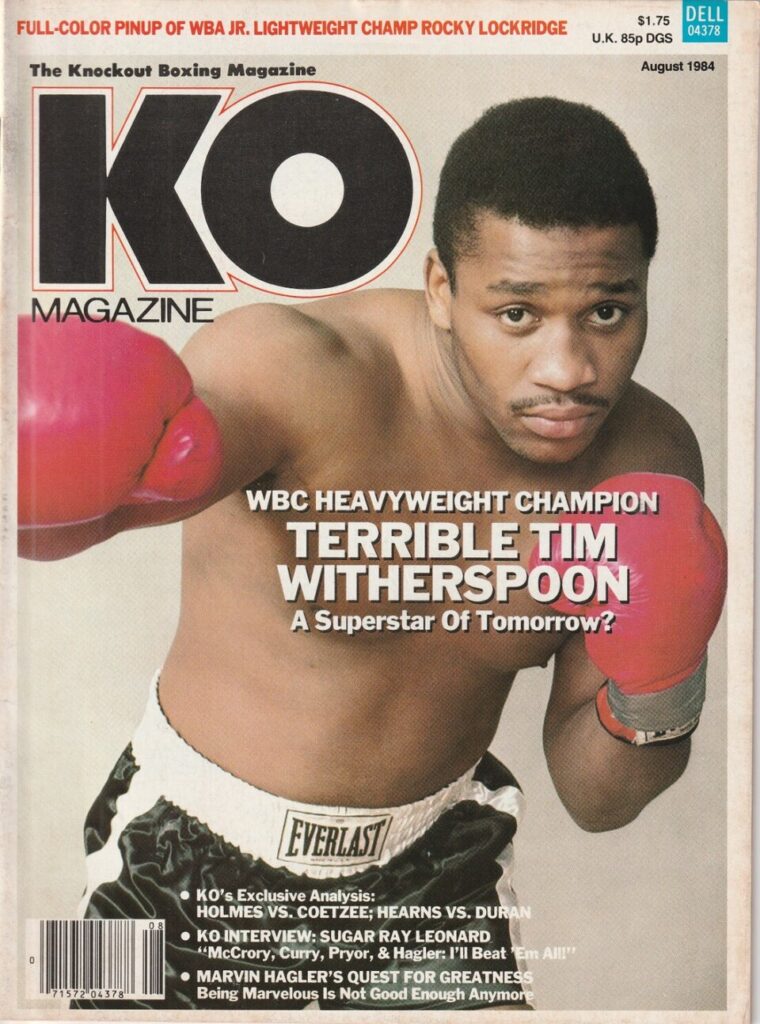
Witherspoon Boxing + Fitness is located at 925 Canal Street, Door 19, Bristol, PA 19007. Our coaching staff is led by Tim Witherspoon Jr., and the Witherspoon family has been in professional boxing since the 1970s. Defense has always been part of that tradition, because fighters who cannot avoid punches do not have long careers.
The boxing classes Bucks County members rely on run all week:
- Beginner Boxing — Mon/Wed 9:00 AM & 5:00 PM, Fri 9:00 AM, Sat 9:00 AM
- Advanced Boxing — Mon/Wed 6:00 PM, Sat 9:00 AM
- Adult Boxing — Tue/Thu 12:00 PM
- Women’s Boxing — Tue/Thu 7:00 PM, Sat 11:00 AM
- Kids Boxing (Ages 6–12) — Mon/Wed 7:00 PM, Tue/Thu 6:00 PM
- Sparring Lab — Mon/Wed 7:00 PM, Sat 10:00 AM
- Cardio Boxing — Mon/Wed/Fri 6:00 AM, Tue/Thu 9:00 AM & 5:00 PM
Our youth boxing classes teach slipping and rolling through non-contact games that build coordination and spatial awareness. Kids love it, and the skills transfer to every sport they play. Take a look at the room and the community in our gallery.
Come Make Punches Miss
There is a specific feeling the first time a punch sails past your ear because you moved two inches at the right moment. It changes how you see the entire sport. You cannot get that from a video — you need someone throwing at you, and a coach telling you what your eyes did not catch.
Questions first? Call (215) 458-8773, email info@witherspoonboxing.com, or use our contact page. Read our story on the about us page, catch gym updates in news, or browse more technique guides on the blog.
APPLY NOW — CLAIM YOUR FREE FIRST CLASS
Witherspoon Boxing + Fitness — 925 Canal Street, Door 19, Bristol, PA 19007 — Bringing Out Everyone’s Inner Champion.