By Tim Witherspoon Jr.
7 min read

Learning how to prepare for your first amateur fight starts long before any twelve-week camp. You need two to three years of consistent coached training, reliable technique under pressure, meaningful supervised sparring, registration with the governing body, and medical clearance. Only once those are in place does a structured preparation block make any sense.
Our coaches at Witherspoon Boxing + Fitness — the boxing gym Bristol PA has trusted for two generations — have taken members through this process many times. Here is the honest version, including the parts most articles skip.

First: Are You Actually Ready?
This is the question that matters most, and it is not yours alone to answer. Your coach decides this with you.
| Requirement | What It Means in Practice |
|---|
| Technique under pressure | Your guard stays up and your feet work when you are tired |
| Reliable defense | Slipping and blocking are reflexes, not thoughts |
| Sparring experience | Months of regular supervised rounds, not a handful |
| Conditioning | Three hard rounds with something left afterward |
| Composure | You do not lose your head when caught cleanly |
| Medical clearance | Annual physical from a qualified physician |
| Registration | Current membership and record with USA Boxing |
If any row is missing, you are not ready, and a good coach will say so. Hearing “not yet” protects you far more than being told what you want to hear.

Speak to Your Doctor
Competition requires medical clearance, and that is a genuine assessment rather than a formality. Discuss your individual health situation with your doctor before committing to a bout — particularly if you have any history of head injury, heart condition, vision problems, or anything else that competition might affect.
Amateur boxing has meaningful safety structures built in, including early referee stoppages, mandatory gear, and day-of medicals. Those exist because the sport carries real risk. Go in informed.
The 12-Week Outline
Your coach will build the specifics around you. This is the general shape.
Weeks 1–4 — Base Building
- High training volume at moderate intensity
- Technical refinement, particularly your two or three highest-percentage shots
- Conditioning base — roadwork, circuits, skipping
- Controlled technical sparring
- Strength work twice weekly
Weeks 5–8 — Sharpening
- Intensity rises, volume holds steady
- Harder sparring, varied opponents and styles
- Interval conditioning matched to round length
- Tactical work — your game plan starts forming
- Mental preparation becomes part of the program
Weeks 9–11 — Peak
- Highest intensity, reduced total volume
- Competitive sparring simulating bout conditions
- Game plan drilled until automatic
- Weight settling naturally into your division
- Recovery given equal priority to training
Week 12 — Taper
- Volume drops sharply
- Sparring stops entirely, usually by mid-week
- Light movement, pads, and visualisation
- Sleep and hydration prioritised
- Arrive fresh, not exhausted
How to Prepare for Your First Amateur Fight – That final week trips people up. The instinct is to train harder as the date nears. Doing so means arriving flat, and flat loses bouts.
On Weight — The Honest Version
Pick a division your body sits near naturally. That is the entire strategy we recommend for a first bout.
Amateur boxing weighs in on the morning of competition, which leaves no time to rehydrate or recover. Aggressive weight manipulation before an amateur weigh-in is both dangerous and tactically counterproductive — you compete depleted hours later.
We are not going to cover cutting methods here. If weight becomes a genuine consideration as you progress, that conversation involves your coach, your doctor, and ideally a registered dietitian — not an article. Our guide on boxing weight classes explained covers how divisions work.
Sparring in Camp
Sparring is where readiness is genuinely tested, and it needs to be managed carefully.
- Vary your partners. Different heights, styles, and stances.
- Control the intensity. Not every round is a war, and your coach sets the level.
- Stop early in the final week. You want to arrive healthy, not tested.
- Report every knock honestly. Hiding a head knock in camp is how people get hurt.
Our supervised Sparring Lab runs Monday and Wednesday at 7:00 PM and Saturday at 10:00 AM, with partners grouped strictly by experience.
The Mental Side
Nobody warns you how different a sanctioned bout feels from a gym spar. There are officials, a crowd, your name announced, and a stranger in the other corner.
What helps:
- Visualise the whole experience, including walking out and the first bell
- Rehearse your opening thirty seconds until it is automatic
- Accept the nerves. Every fighter has them. They are not a sign you are unready
- Focus on process, not outcome. Jab, move, breathe — not winning or losing
- Attend a show first as a spectator so the environment is familiar
That last point is genuinely useful. Going to a local amateur card before your own removes a surprising amount of unfamiliarity.
Fight Week, Day by Day
| When | What Happens |
|---|
| Mon–Tue | Light technical work, last sparring if any |
| Wed–Thu | Movement, pads, visualisation, full sleep priority |
| Friday | Very light shakeout, bag packed, travel confirmed |
| Fight morning | Weigh-in, pre-bout medical, light breakfast after weighing |
| Before the bout | Wraps checked and signed off, gear inspected, warm-up with your corner |
| Bout | Three rounds. Listen to your corner between them |
| After | Post-bout medical check, rehydrate, eat properly |
What to Pack
- Registration book or membership confirmation and photo ID
- Medical clearance paperwork
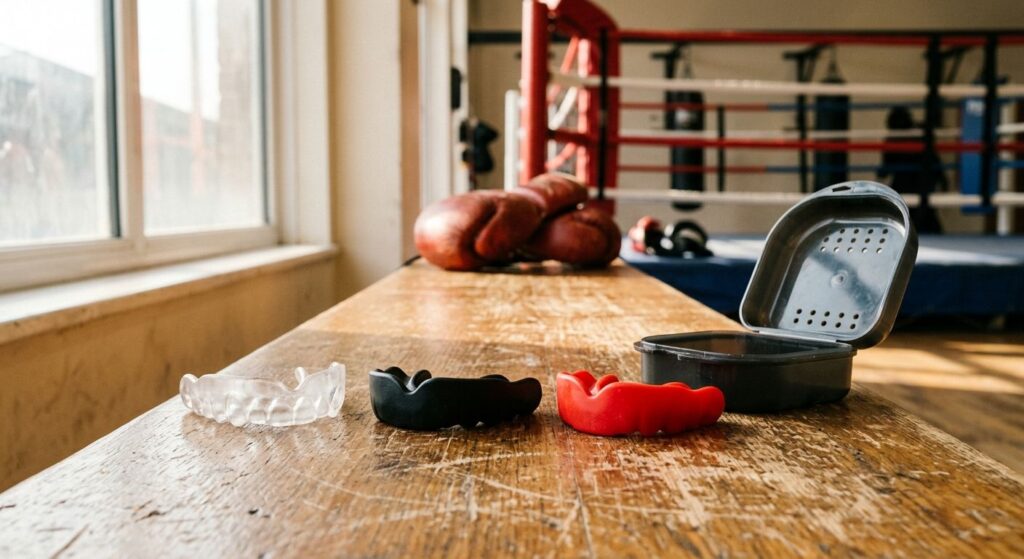
- Mouthguard and spare
- Headgear if required for your division
- Approved gloves — check sizing for your category
- Hand wraps, two sets
- Groin or chest protector
- Boxing boots
- Competition attire in both required colours if specified
- Water, light snacks for after the weigh-in
- Towel and change of clothes
Confirm the full equipment requirements for your division with USA Boxing and your coach. Rules vary by age category and competition — our guide on amateur boxing rules explained covers the general structure.
Managing Expectations
Some things worth knowing before your first bout:
- It goes faster than you expect. Three rounds disappear.
- You will forget some of the game plan. Everyone does. Your corner will remind you.
- Getting hit is less dramatic than you imagine and more tiring than you expect.
- The result matters less than you think. Plenty of excellent boxers lost their first bout.
- You will want to go again almost immediately, or you will know it is not for you. Both answers are useful.
Preparing in Bucks County
The boxing classes Bucks County members rely on support every stage of this pathway:
- Advanced Boxing — Mon/Wed 6:00 PM, Sat 9:00 AM
- Sparring Lab — Mon/Wed 7:00 PM, Sat 10:00 AM
- Strength & Strike — Tue/Thu 6:00 AM
- Cardio Boxing — Mon/Wed/Fri 6:00 AM, Tue/Thu 9:00 AM & 5:00 PM
- Bootcamp — Tue/Thu 6:00 PM, Fri 10:00 AM
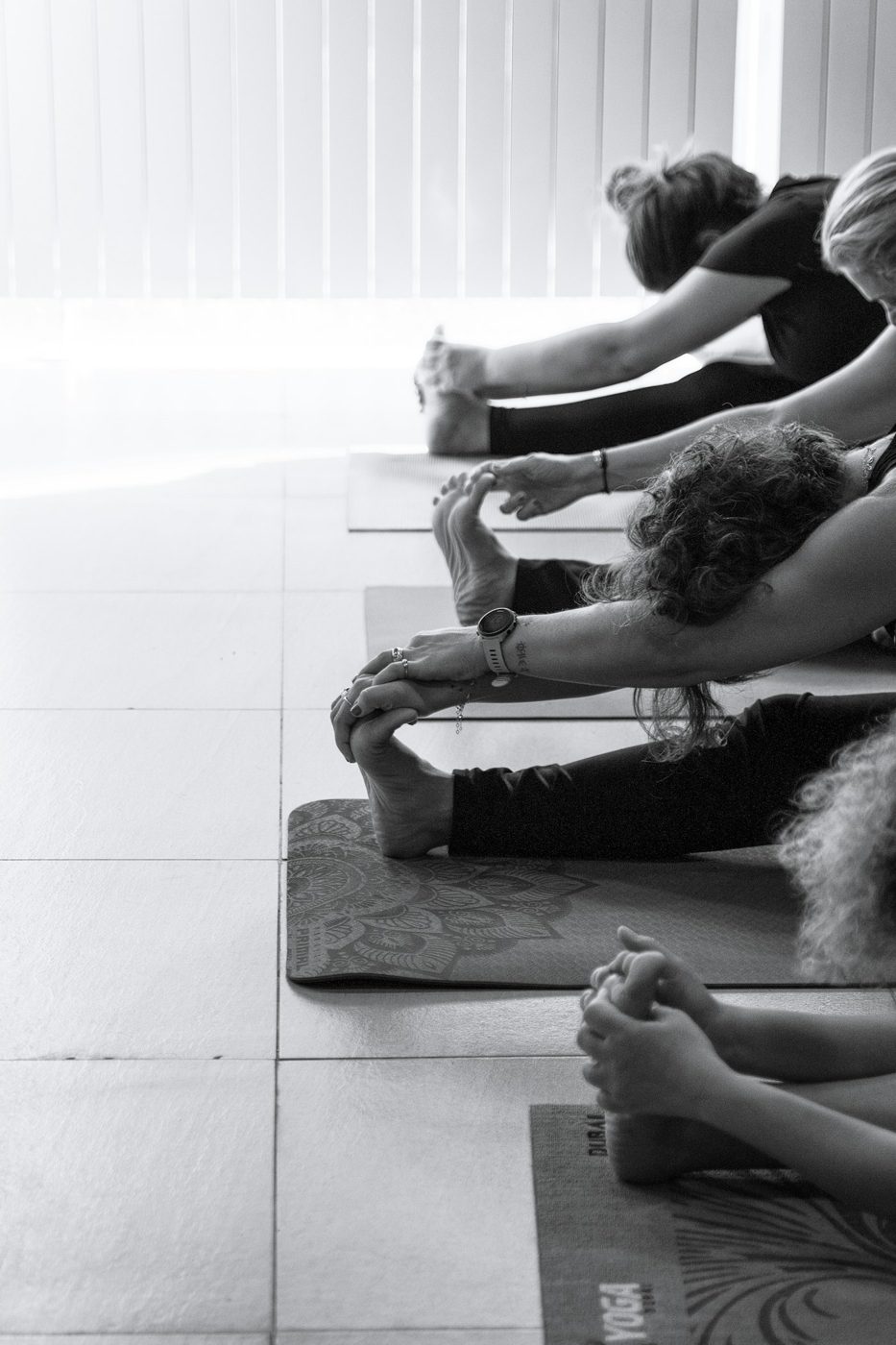
- Recovery & Mobility — Sun 9:00 AM
- Open Gym & Personal Training — daily, including one-on-one camp work
See the full weekly schedule. Our staff is led by Tim Witherspoon Jr., and the Witherspoon family has competed at the professional level since the 1970s. Corner work, camp structure, and the honest readiness conversation all come from people who have been through it themselves. Read more on our about us page or see the gym in our gallery.
Most People Never Compete — And That Is Fine
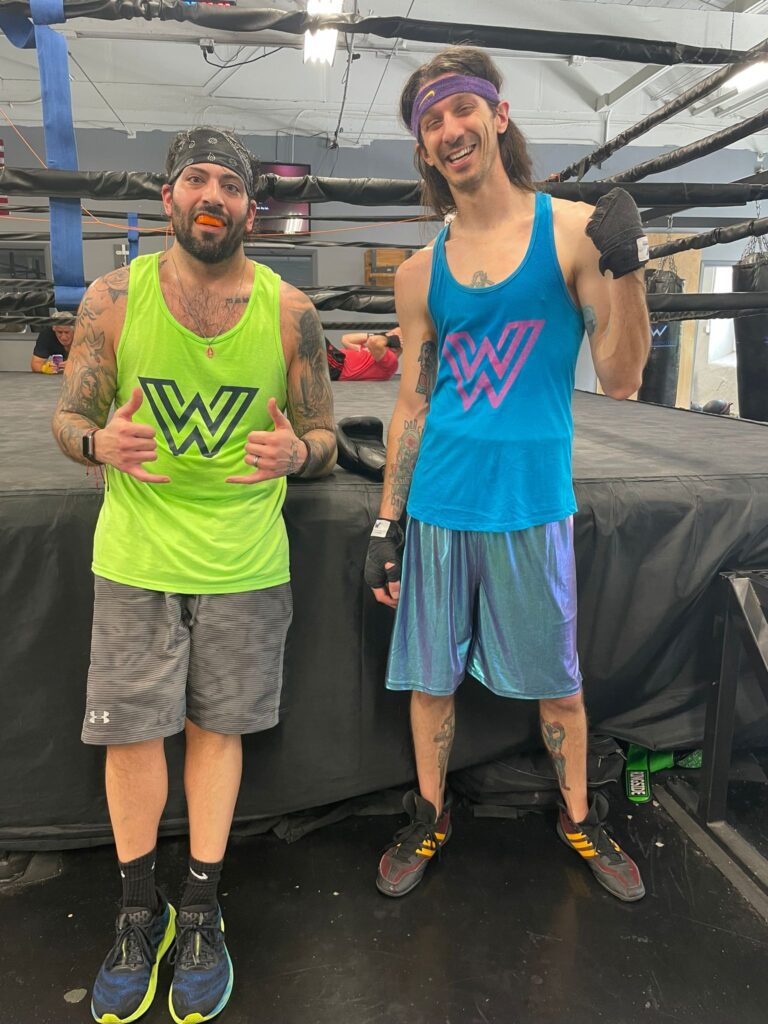
The overwhelming majority of our members train for fitness, skill, and stress relief with no interest in a bout. Sparring itself is optional. Our boxing training for beginners program assumes zero experience, our youth boxing classes for ages 6 to 12 are entirely non-contact, and for most people boxing and fitness is the whole point.
Anyone searching learn boxing near me in lower Bucks County will find a genuine boxing fitness center here, whichever path they take.

Frequently Asked Questions
How long should I train before my first amateur fight?
Two to three years of consistent coached training is typical, though it depends entirely on the individual and your coach’s judgement.
How long is a fight camp?
Around twelve weeks is standard, structured as base building, sharpening, peak, and taper.
Do I need medical clearance?
Yes. An annual physical from a qualified physician plus a pre-bout medical on the day.
Should I cut weight for my first bout?
Compete in a division near your natural weight. Amateur weigh-ins happen on the morning of competition, leaving no time to recover from aggressive weight loss.
How much sparring do I need?
Months of regular supervised sparring against varied partners, not a handful of sessions.
What should I do in the final week?
Reduce volume sharply, stop sparring, prioritise sleep and hydration, and arrive fresh.
What if I lose?
Plenty of excellent boxers lost their first bout. It tells you what to work on, nothing more.
Do I have to compete to train here?
No. Most members never do, and sparring is always optional.
Start the Conversation
If competing is something you are thinking about, the next step is a conversation with a coach rather than a twelve-week plan. Come train, build the fundamentals properly, and we will tell you honestly where you stand.

Booking Is This Simple
| Step | What You Do |
|---|
| 1 | Click the red Apply Now button below |
| 2 | Fill in your name, email, and the class you like |
| 3 | We call you back and confirm your free first class |
That is it. Gloves provided. No experience needed. Just show up.
👊 APPLY NOW — BOOK YOUR FREE CLASS
Prefer to talk first? Call (215) 458-8773 or email info@witherspoonboxing.com.
You can also message us on our contact page, read our story on about us, check gym updates in news, or browse more guides on the blog.
Witherspoon Boxing + Fitness — 925 Canal Street, Door 19, Bristol, PA 19007 — Bringing Out Everyone’s Inner Champion.
 Free every week