By Tim Witherspoon Jr.
7 min read
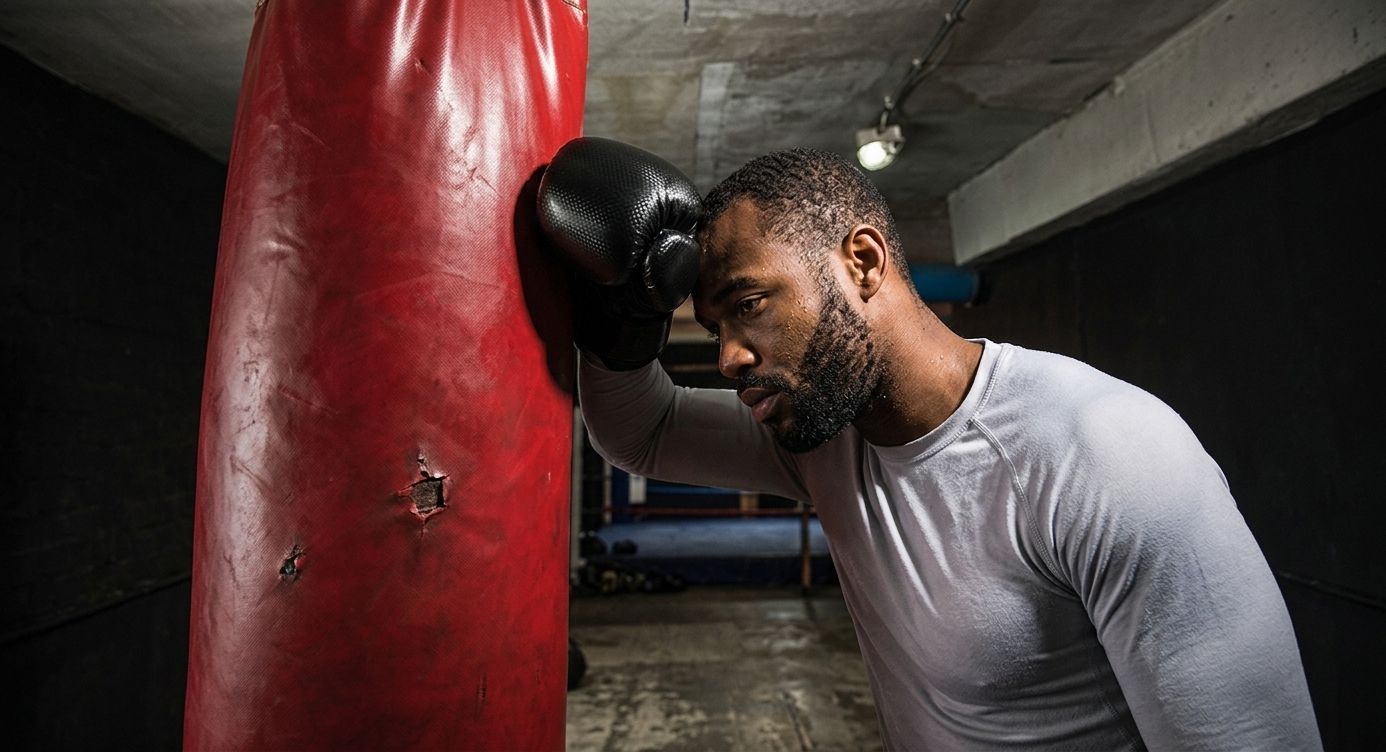
The clearest signs of overtraining in boxing are performance declining despite training more, an elevated resting heart rate, disrupted sleep, persistent joint soreness rather than muscle soreness, losing motivation for sessions you normally enjoy, and getting sick more often than usual. If two or more of these apply, your body is asking for a lighter week.
Our coaches at Witherspoon Boxing + Fitness — the boxing gym Bristol PA has trusted for two generations — see this most often in keen beginners and in members preparing for something. Here is how to recognise it and what to do.

What Overtraining Actually Is
Training creates stress. Recovery turns that stress into adaptation. Overtraining happens when the stress keeps arriving and the recovery does not — so instead of getting fitter, you get progressively more depleted.
The frustrating part is the feedback loop. Performance drops, so people train harder, which deepens the problem. Breaking that cycle requires doing the opposite of what instinct suggests.
The Warning Signs, Grouped
| Category | What to Watch For |
|---|
| Performance | Punches feel heavy, timing is off, rounds you handled last month now exhaust you |
| Physical | Elevated morning heart rate, persistent soreness, nagging joint pain, frequent minor illness |
| Sleep | Trouble falling asleep despite exhaustion, waking unrefreshed, restless nights |
| Mood and motivation | Dreading sessions, irritability, loss of interest in training |
| Appetite | Noticeably reduced or unusually erratic |
| Recovery | Soreness lasting three days or more after a normal session |
One sign on its own usually means a bad week. Two or three together, lasting more than a week, is a pattern worth acting on.
Early Signs vs Serious Signs
| Early Warning — Adjust Now | Serious — Take Real Rest |
|---|
| Feeling flat for a session or two | Performance declining for several weeks |
| Slightly longer recovery than usual | Soreness that never fully clears |
| Mild reluctance before training | Genuine dread of sessions |
| One poor night of sleep | Persistently disrupted sleep |
| Minor muscle tightness | Joint pain during movement |
Catching it in the left column costs you a light week. Ignoring it until the right column can cost a month or more.
Why Boxers Are Particularly Prone
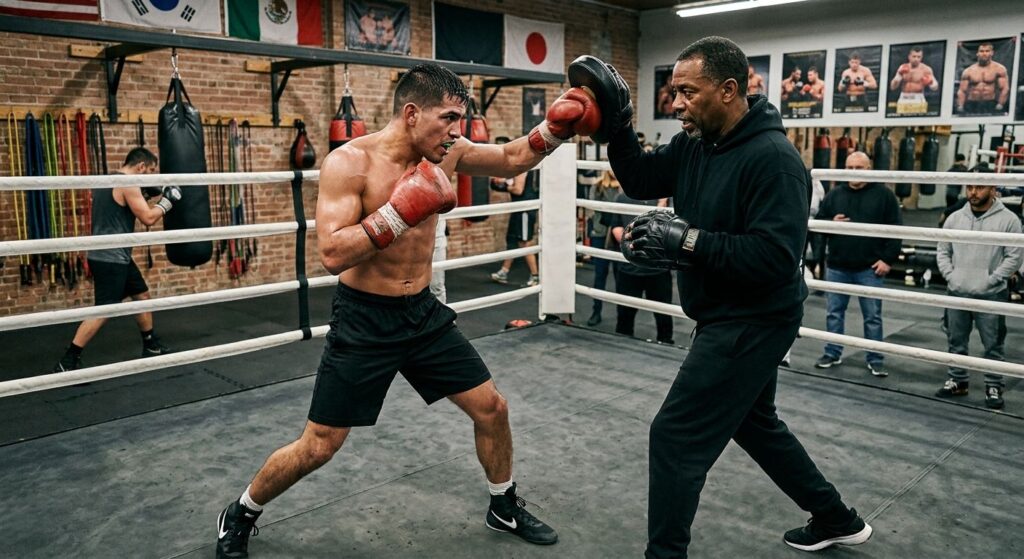
- Sessions are intense by nature. Round-based training pushes hard by design.
- Progress is addictive. Visible skill improvement makes people want more, not less.
- Mental load counts too. Concentration and reaction work is genuinely fatiguing.
- Life stress stacks on top. Work and family pressure draw from the same recovery budget.
- Rest feels like falling behind. It is not, but it feels that way.
The American College of Sports Medicine emphasises adequate recovery and gradual progression as core principles of safe training. Research on overtraining syndrome across sports is indexed on PubMed if you want to read further.
A Simple Self-Check
Track two things for a fortnight. Neither takes more than a minute.
- Resting heart rate. Take it first thing in the morning before getting up. A consistent rise of five to ten beats above your normal baseline is a useful early signal.
- A quick daily score. Rate sleep quality, energy, and motivation out of five each morning. A sustained drop across all three tells you more than any single session does.
Neither is a diagnosis. They are simply early indicators that help you adjust before things worsen.
What to Do If You Spot It
Early Signs — Adjust for One Week
- Drop from three sessions to two
- Reduce intensity rather than stopping entirely
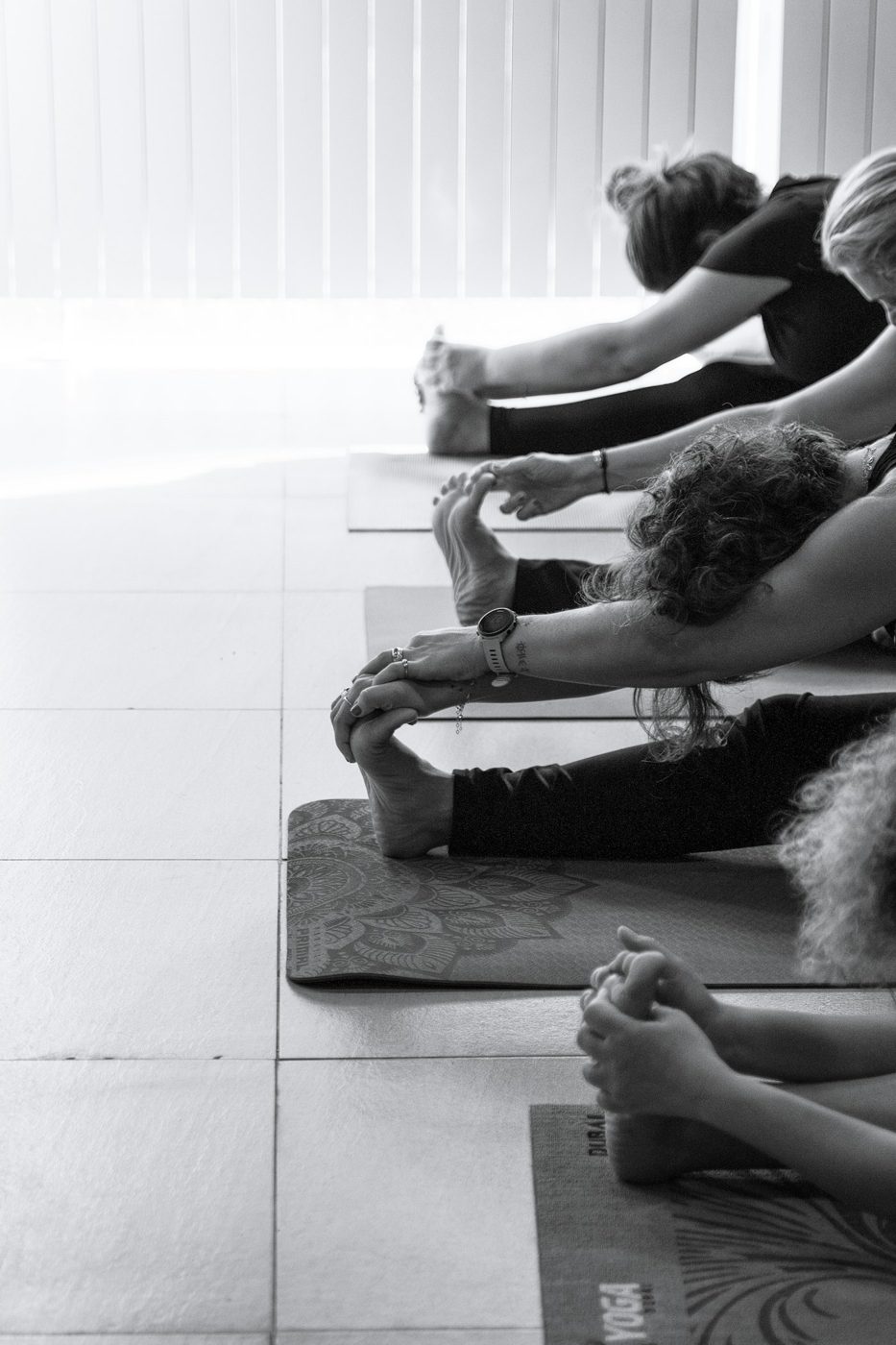
- Add a mobility session — ours runs Sunday at 9:00 AM
- Prioritise sleep aggressively for seven days
- Eat and hydrate properly
Persistent Signs — Take Real Rest
- Three to seven days fully off training
- Light walking only
- Return at half your previous volume
- Rebuild over two to three weeks
- Speak to your doctor if symptoms persist or you feel unwell
If fatigue does not lift after proper rest, see a doctor. Persistent tiredness can have causes unrelated to training, and that is worth ruling out.
How to Avoid It Altogether
| Habit | Why It Works |
|---|
| Two to three sessions weekly as a beginner | Leaves genuine recovery time between sessions |
| Add one session at a time | Lets your body adapt before more load arrives |
| Hold each new frequency for three weeks | Confirms you can sustain it before adding more |
| Schedule one easy week per month | Planned recovery prevents forced recovery |
| Keep one full rest day between hard sessions | Where adaptation actually happens |
| Sleep seven to nine hours | The single most effective recovery tool |
| Include mobility work weekly | Maintains range of motion and reduces injury risk |
Our guide on how many times a week you should box covers frequency in detail, and boxing injury prevention tips covers the rest of the picture.
Rest Days Are Not Wasted Days
This is the mindset shift that matters most. Fitness is not built during training — it is built during the recovery that follows it. A rest day is not time away from progress. It is the part of the process where the progress actually occurs.
Two or three sessions a week, done consistently for a year, produces far more than five sessions a week for six weeks followed by burnout. Consistency sustained over time is what makes boxing and fitness work long term.
Overtraining in Young Athletes
Children and teenagers are not small adults, and growing bodies need more recovery rather than less. Signs in young athletes often show up as irritability, reluctance to attend, or complaints of vague aches.
Our youth boxing classes for ages 6 to 12 run twice weekly for exactly this reason. Boxing should sit alongside general play and school sport, not replace them. If you have any concerns about a young athlete, speak to their doctor.
Building a Sustainable Week in Bucks County
The boxing classes Bucks County members rely on make it easy to build a week with recovery built in:
- Beginner Boxing — Mon/Wed 9:00 AM & 5:00 PM, Fri 9:00 AM, Sat 9:00 AM
- Advanced Boxing — Mon/Wed 6:00 PM, Sat 9:00 AM
- Adult Boxing — Tue/Thu 12:00 PM
- Women’s Boxing — Tue/Thu 7:00 PM, Sat 11:00 AM
- Cardio Boxing — Mon/Wed/Fri 6:00 AM, Tue/Thu 9:00 AM & 5:00 PM
- Strength & Strike — Tue/Thu 6:00 AM
- Recovery & Mobility — Sun 9:00 AM
- Open Gym & Personal Training — daily
That Sunday session exists precisely because recovery deserves a slot in the schedule rather than being left to chance. See the full weekly schedule.
Our staff is led by Tim Witherspoon Jr., and the Witherspoon family has competed at the professional level since the 1970s. Two generations in the sport means coaches who know when to push and when to tell someone to go home. Read more on our about us page or see the gym in our gallery.
Anyone searching learn boxing near me across lower Bucks County will find a genuine boxing fitness center here, with a boxing training for beginners program built around sustainable progression.

Frequently Asked Questions
What are the first signs of overtraining in boxing?
Usually declining performance despite training more, longer recovery than usual, and mild reluctance before sessions.
How do I know if I am overtraining or just tired?
Normal tiredness lifts after a good night’s sleep and a rest day. Overtraining persists across weeks and affects sleep, mood, and performance together.
Can resting heart rate indicate overtraining?
A consistent rise of five to ten beats above your usual morning baseline is a commonly used early indicator, though it is not a diagnosis on its own.
How long does it take to recover from overtraining?
Mild cases resolve within one to two weeks of reduced training. More established cases can take several weeks or longer.
Should I stop training completely?
For early signs, reduce rather than stop. For persistent signs, take three to seven days fully off, then return at half volume.
How many rest days do I need?
Beginners should keep at least one full rest day between sessions. Two to three sessions weekly leaves adequate recovery built in.
Can children overtrain?
Yes. Growing bodies need more recovery, and signs often appear as irritability or reluctance to attend. Speak to their doctor with any concerns.
When should I see a doctor?
If fatigue persists after a proper rest period, or you feel genuinely unwell. Persistent tiredness can have causes unrelated to training.
Train Hard. Recover Properly.
The members who are still training in five years are the ones who learned to read these signals early. Come try one free class and build a schedule with a coach who will tell you honestly when to push and when to rest.
Booking Is This Simple
| Step | What You Do |
|---|
| 1 | Click the red Apply Now button below |
| 2 | Fill in your name, email, and the class you like |
| 3 | We call you back and confirm your free first class |
That is it. Gloves provided. No experience needed. Just show up.

👊 APPLY NOW — BOOK YOUR FREE CLASS
Prefer to talk first? Call (215) 458-8773 or email info@witherspoonboxing.com.
You can also message us on our contact page, read our story on about us, check gym updates in news, or browse more guides on the blog.
Witherspoon Boxing + Fitness — 925 Canal Street, Door 19, Bristol, PA 19007 — Bringing Out Everyone’s Inner Champion.

 Free every week